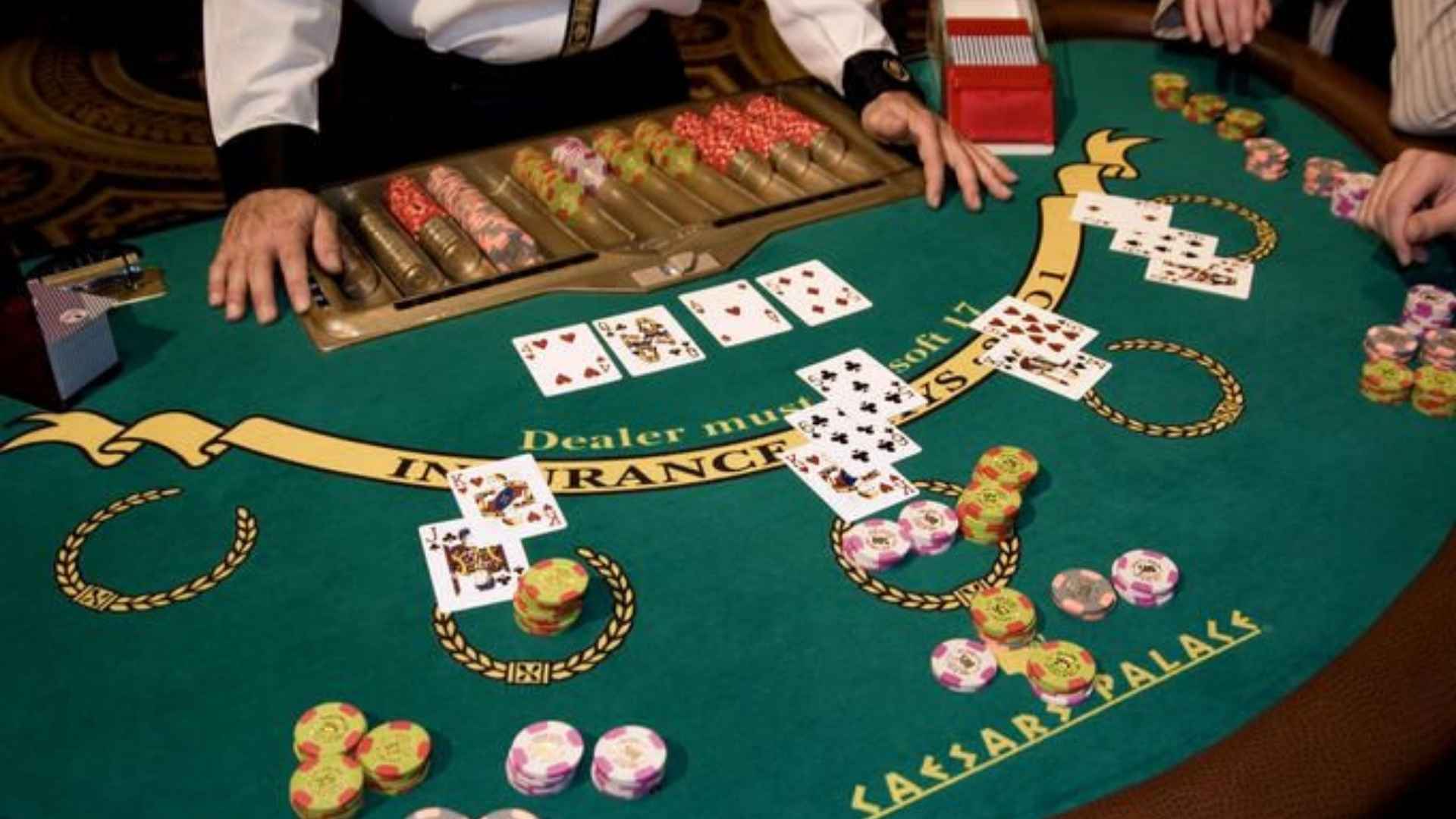
Participating in competitive card tournaments requires much more than just a basic understanding of the rules and a bit of luck. To truly excel, players must master the art of tournament card management, which involves organizing, tracking, and utilizing their hand with absolute precision. Developing these high-level skills allows competitors to make smarter decisions under pressure and consistently outmaneuver their opponents on the table.
The Fundamentals of Organizing Your Hand
Properly arranging the cards in your hand is the first crucial step toward minimizing mistakes during intense tournament matches. Grouping your cards by suit, value, or potential combinations makes it much easier to assess your current strength and identify your next logical move. Experienced competitors often alternate colors when organizing their suits to prevent accidental discards and visual confusion during fast-paced rounds.
A well-structured hand also prevents you from giving away valuable physical tells to observant opponents who might be watching your movements. If your cards are already neatly sorted, you will spend less time reorganizing them whenever you draw a new card from the deck. To improve your overall efficiency and prepare for high-stakes environments, practicing with online platforms via the M88.com login portal can offer excellent real-time simulations.
Tracking and Memory Retention Techniques
In high-level tournaments, keeping a mental log of the cards that have already been played is what separates average players from champions. By carefully observing every single discard and draw, you can deduce which combinations your opponents are actively trying to complete. This proactive card-tracking strategy ensures you do not accidentally throw away a card that another competitor desperately needs to win the round.
Building this level of tournament awareness requires consistent practice and a highly focused mindset. You must train your brain to remember critical discarded values while simultaneously calculating the mathematical probability of drawing the remaining cards you need. Over time, this analytical tracking process becomes entirely second nature, allowing you to quickly adapt your strategy based on the shifting state of the game.
Tactical Discarding and Risk Management
Every single card you choose to discard sends a subtle message to the rest of the table, meaning safe discarding is a vital defensive skill. In the early stages of a tournament match, it is generally wise to hold onto high-value cards that can still form viable sequences. However, as the round progresses and the stakes rise, managing your points by discarding high-risk cards becomes the top priority.
Understanding when to play aggressively and when to play defensively is the ultimate key to long-term tournament survival. If you find yourself holding a highly unfavorable hand with very little chance of completion, executing a timely drop is often the smartest strategic decision. Minimizing your point loss during difficult rounds preserves your overall standing and keeps you competitive for the duration of the event.
Building Mental Endurance for Long Sessions
Sustaining peak performance across multi-round tournament sessions requires immense mental stamina and emotional discipline. Many talented players fail not because they lack tactical card skills, but because they succumb to fatigue and make impulsive blunders. Developing a calm pre-performance routine and staying physically refreshed will help you maintain sharp focus during critical, late-stage matches.
Treating every single match as a valuable learning opportunity allows you to build lasting confidence and refine your decision-making abilities. By combining methodical hand organization, diligent card tracking, and disciplined risk management, you can master tournament card management and significantly elevate your competitive play.